AI inzetten in je organisatie

Niet alles
hoeft met AI opgelost te worden.

AI biedt enorme mogelijkheden. Maar veel organisaties lopen tegen dezelfde vraag aan; waar beginnen wij? Moeten wij processen automatiseren? Een AI-assistent bouwen? Medewerkers ondersteunen? Of eerst de technische basis op orde brengen? De grootste uitdaging is meestal niet de technologie. De grootste uitdaging is bepalen waar AI daadwerkelijk waarde toevoegt.
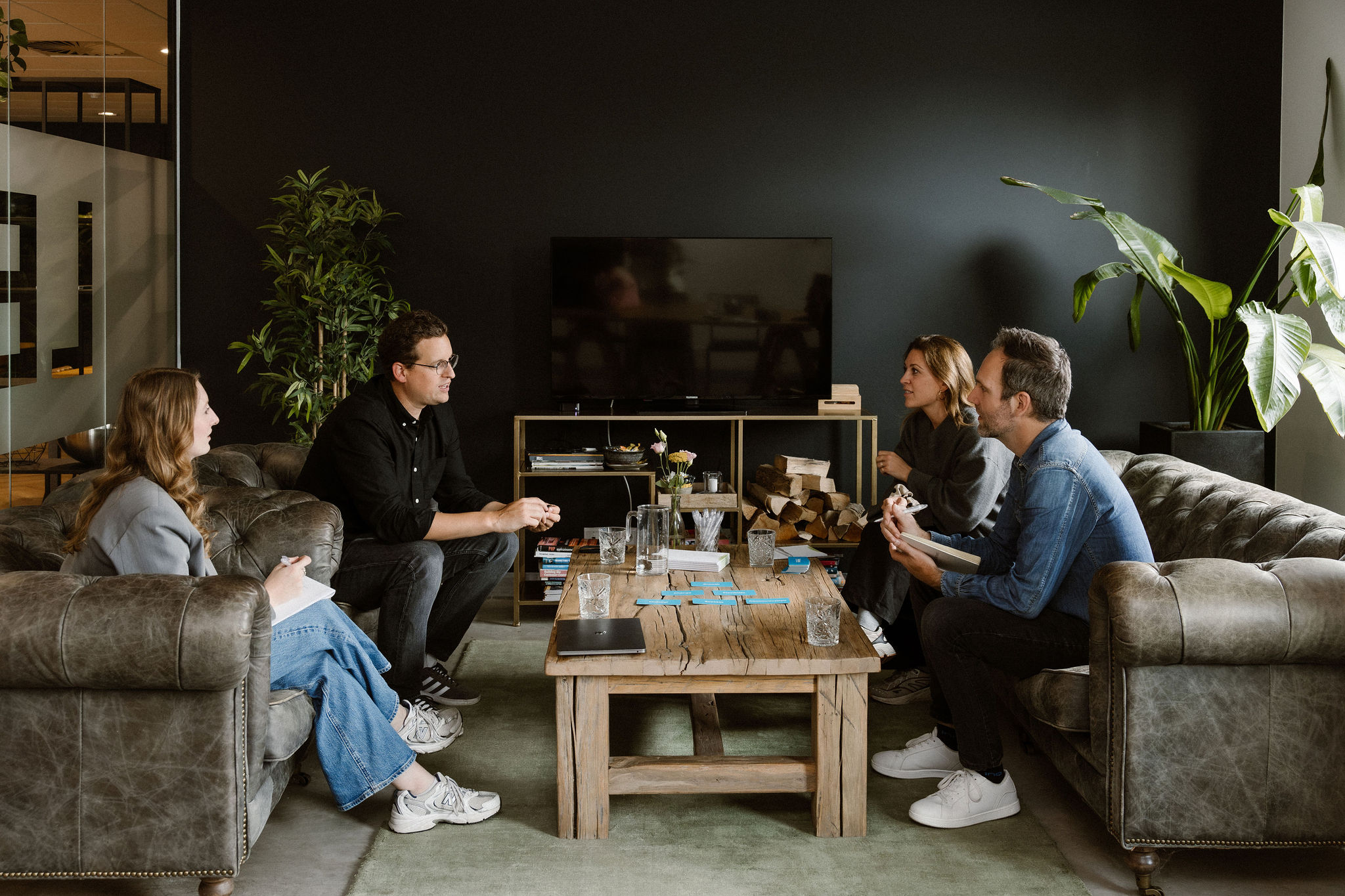
Vier mensen die rond een houten tafel vergaderen in een kamer met hangende en staande planten.
oorzaak

Veelvoorkomende oorzaken:

Er is geen duidelijke AI-strategie
Iedereen ziet kansen, maar niemand weet waar te beginnen.
Processen zijn nog niet scherp genoeg
Daardoor wordt automatisering ingewikkelder dan nodig.
Er worden losse tools getest
Zonder duidelijke samenhang of doel.
De technische basis ontbreekt
Systemen en data sluiten onvoldoende op elkaar aan.
Oplossing
Onze aanpak
Hoe wij hiernaar kijken.
Wij beginnen niet bij tools. Wij beginnen bij processen. Waar gaat tijd verloren? Waar zit repetitief werk? Waar ontstaan fouten of vertraging?
uitgelichte case

Dit hebben wij eerder gedaan.

Vragen?
Wij beantwoorden ze.
Waar begin je met AI?

Bij de organisatie. Niet bij de tooling.

Welke AI-tools gebruiken jullie?

Dat hangt af van de situatie en het doel. Wij hebben een brede tech stack en brede kennis van de beschikbare AI-tools.

Kunnen jullie ook AI-oplossingen bouwen?

Ja. Dat doen wij binnen AI-product & Automatisering.

Is AI interessant voor iedere organisatie?

Bijna altijd. Daarom onderzoeken wij eerst waar de meeste waarde zit.

Can I change the colors without destroying the mood?

Yes. One change in the right place and it flows everywhere. No digging through layers. No weird surprises. Just your brand, in place of ours.

What if I only have a logo and a Pinterest board?

That’s enough. Start with what you’ve got. Add images, pick a typeface, make some space. Suddenly it looks like a brand. That’s the point.

Will my font look weird in this layout?

Probably not. This template is type-friendly. It’s flexible enough to handle soft or sharp, round or square. If it feels off, it’s the font. Not the frame.

Does Nothing secretly judge my color choices?

No. It adapts. You bring your palette and it won’t argue. We might have opinions, but the template stays cool.

How do I make it feel like my brand, not yours?

Change the words, the tone, the colors, the flow. The design holds the structure, but the feeling is yours. You don’t need to ask permission.

Can I remove all the placeholder text and still keep the cool?

That’s exactly the point. The layout holds without fake content. Say less or say more — it still works. Just don’t fall into cliché territory. You’re better than that.

Why is it called Nothing if it does everything?

Because it leaves space for you. No fake brand, no fake voice. Just clean starting points that don’t compete with your story. You bring the meaning.

 Is this just minimalism pretending to be deep?

No. It’s not trying to be anything. It’s honest. Clear structure, no extra talk. Not quiet to impress you — just quiet so you can think.

What makes a good section… good?

Breathing room. Rhythm. Clear copy. A section that actually helps people understand something faster. Every block here earns its place. No filler.

Will this template help me find my niche?

Not directly. But it’ll make your idea look like it exists. That makes it easier to believe in it. And that’s usually how things start.

Can a template understand me better than my clients?

Yes. This one listens. Doesn’t ghost you. Doesn’t ask for another revision at midnight. It just works and gives you space to look like you know what you’re doing.

Is it bad that I trust this layout more than my business plan?

Not really. Business plans change every week. This layout is steady. It stays in place while you figure things out.

Eerst begrijpen, daarna automatiseren.


Plan een gesprek